Guides: secondhand trading and everyday life in Thailand — Near Dee
Practical guides written by the Near Dee team from the questions users in Thailand ask most — trading safely, pricing, paperwork, and everyday life in each province. Free to read for buyers and sellers.
Near Dee is a neighbourhood-based secondhand marketplace: buyers and sellers meet close to home, which keeps delivery costs out of the deal and lets you inspect an item before paying.
These guides cover what users ask about most: writing a listing that sells, pricing by condition, checking phones, appliances, cars and motorbikes, ownership transfer at the Department of Land Transport, shipping across provinces, and what to know when moving condo.
Every article is available in Thai, English, Korean and Japanese.
Four things that shape secondhand trading in Thailand
Secondhand trading in Thailand looks familiar, but meeting places, payment habits, weather and language make it work differently. Understanding these four points first makes the checks in each individual guide much easier to follow.
1. A meet-up culture built around stations and malls
In Bangkok, most deals happen face to face near BTS and MRT stations or inside large shopping malls. Stations are easy to find, busy, and usually covered by CCTV, which makes a first meeting less stressful. Between 17:00 and 19:00, though, areas such as Asok, Siam and Sathorn get so crowded that there may be no room to inspect anything.
For items you need to switch on — laptops, cameras — choose a food court or café with seats and a power socket rather than a ticket gate. Large items such as fridges, washing machines and sofas are usually checked at the seller's home or condo lobby, so ask in advance about building access rules and the service lift.
2. Risk in provincial and long-distance deals
Outside Bangkok — Chiang Mai, Phuket, Pattaya, Khon Kaen — there are fewer local buyers and sellers, so people often trade by courier with someone in another province. Most problems fall into three groups: money sent but nothing arrives, an item that doesn't match the photos, and arguments over damage in transit.
Trade locally whenever possible. If you must buy from far away, ask the seller for a photo or video with a note showing today's date and your username next to the item. Keep the tracking number, a pre-packing video and any shipping insurance details. For expensive items, always check the seller's reviews and trade history.
3. Trading across languages
Thailand has many long-term residents from Korea, Japan, Myanmar, Europe and elsewhere, and language gaps cause real misunderstandings. The most common ones are 'price negotiable' versus 'already reserved', and 'box included' versus 'device only'.
Near Dee chat translates automatically, but restate the key details — price, date, time, place and what's included — as numbers and short phrases. A single line such as “3,500 baht, Saturday 14:00, On Nut exit 2, charger included” stays clear even if a translation slips.
4. How heat and humidity affect used goods
Thailand is hot and humid all year, and flooding is common in the rainy season. When checking used goods, look for heat and moisture damage as closely as cosmetic wear: lens fungus, swollen laptop batteries, corroded phone ports, blocked air-conditioner drains and corroded motorbike wiring are typical.
Ask the seller not only how long they used the item, but where it was stored, whether the area flooded, and when it was last serviced or cleaned. Moisture damage inside can appear later even on items that look spotless, so power the item on and use it for a while on the spot.
Buying and selling guides (24)
Safe secondhand trading in Thailand: scams, meeting places, checks, payment and what to do if it goes wrong
The scams that actually happen in Thai secondhand deals and how to stop them, good meeting places in Bangkok, item-by-item checks, how to confirm PromptPay and cash payments, and what to do in the first 24 hours after a loss.
How to sell secondhand items fast on Near Dee
A practical sequence for listings that sell quickly — photos, titles, descriptions, disclosing defects honestly, pricing, replying to chats, and closing the deal.
How to price secondhand items sensibly in Thailand
Pricing logic by condition and age, rough depreciation rates by category, when to lower a stuck listing, and how to handle lowball offers without losing the sale.
How to photograph your listings with just a phone
A practical phone-photography guide for listings — lighting, background, the angles to cover, showing defects honestly, how many photos to take, short video, and common mistakes.
Chat and negotiation etiquette in Thai secondhand trading
The unwritten norms of Thai secondhand chat and negotiation — polite phrasing, what a reservation actually means, no-shows, cancelling gracefully, and when to walk away.
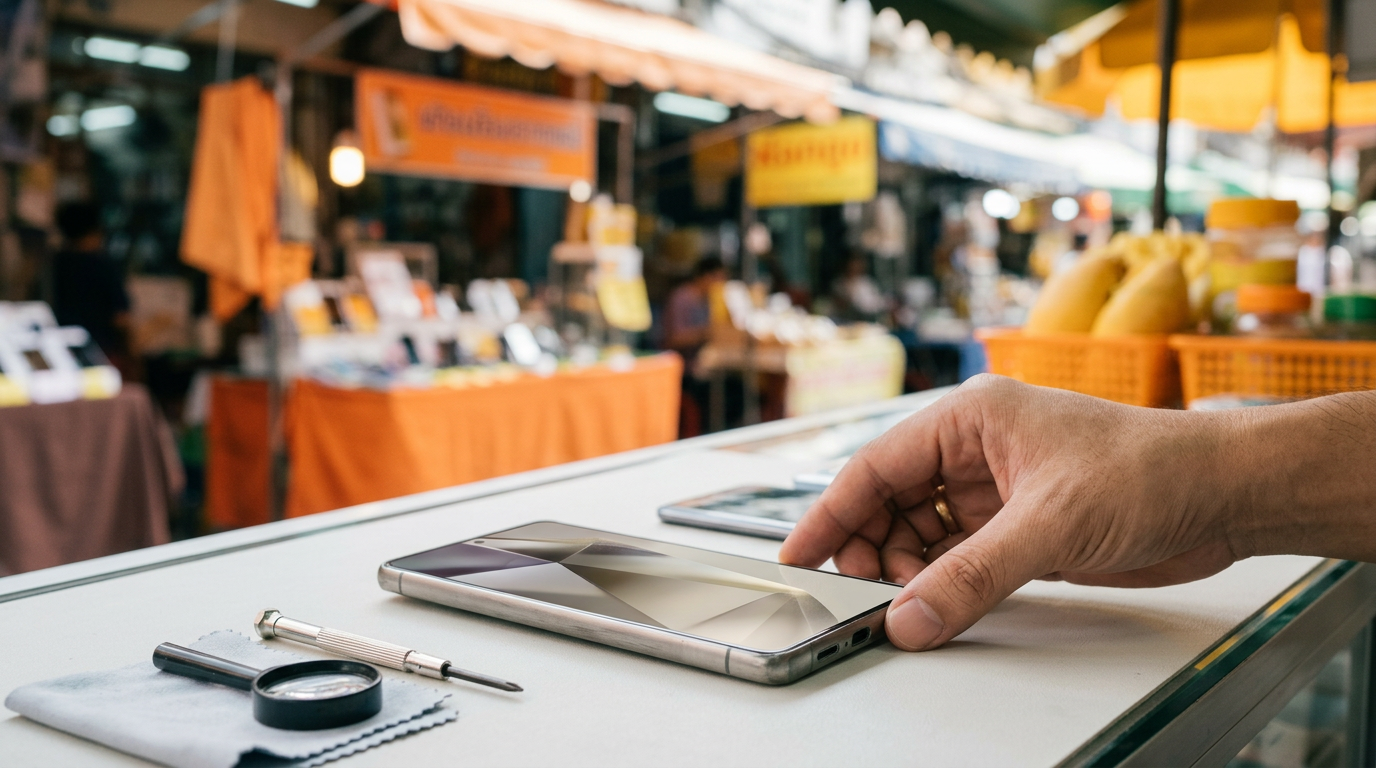
Buying a used smartphone in Thailand without getting burned
How to check IMEI and blacklist status, iCloud/Google account locks, battery health, screen burn-in, and grey-market versus Thai-warranty units, with realistic price bands.
Buying used appliances in Thailand: aircon, fridges, washers, fans
How to test a used air conditioner, refrigerator, washing machine or fan on site before buying, checking the compressor, refrigerant, energy labels, and the installation and delivery costs to budget for.
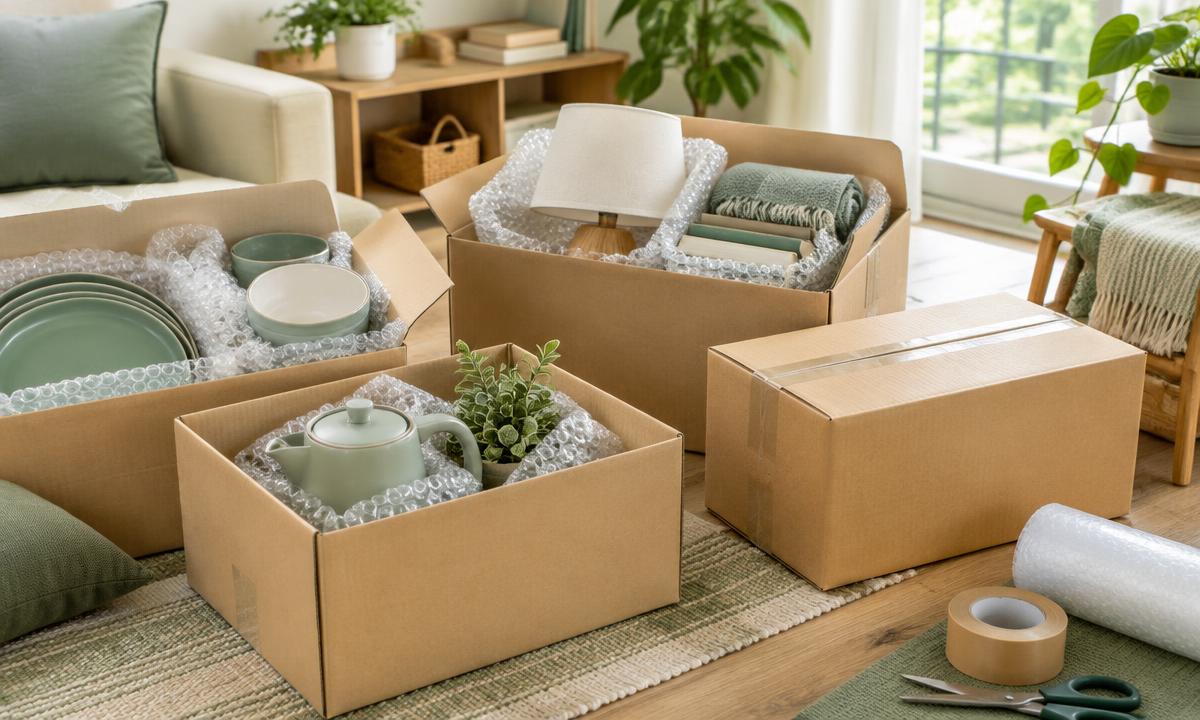
Buying and moving used furniture in Thailand without getting stuck
How to measure before buying, condo lift and service-lift booking rules, choosing a pickup truck or moving service, checking for termites and damp, and realistic prices for used furniture.
Warranty and repair for secondhand electronics in Thailand
How Thai manufacturer warranties transfer when you buy secondhand, authorised service centres versus IT malls, and realistic repair costs for common devices.
Used motorbike checklist Thailand: papers, engine number, tax, insurance
A step-by-step guide to buying a used motorbike in Thailand — checking the registration book, chassis and engine numbers, finance status, test ride, tax and compulsory insurance, and transferring ownership at the DLT.
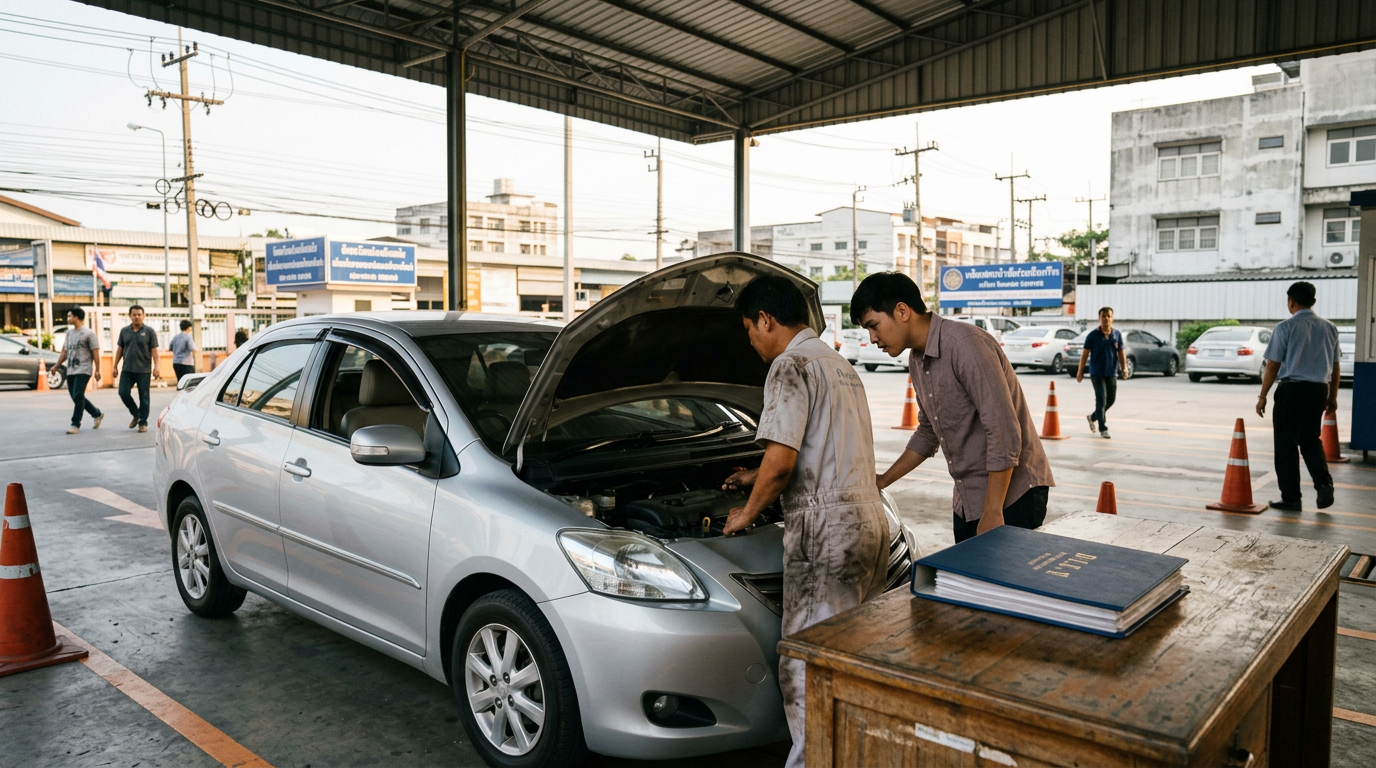
Used car transfer in Thailand, step by step: papers, fees, insurance
A practical walkthrough of transferring used car ownership in Thailand — documents both sides need, booking a DLT appointment, transfer fees, the tax disc, switching insurance, and inspecting the car before you buy.
Tickets, e-vouchers and gift cards: the highest-risk resale category
Why tickets and vouchers get scammed more than physical goods, how ticket resale rules work in Thailand, how to verify with the original issuer, how to hand items over safely, and what to do if you get scammed.
Buying secondhand watches and designer bags in Thailand: authenticity guide
How to verify authenticity before buying a secondhand luxury watch or designer bag in Thailand — paperwork, serial numbers, professional authentication services, realistic price checks, and red flags.
Buying a Used Laptop in Thailand: A 20-Minute Inspection Checklist
How to inspect a second-hand laptop before paying: battery health, SSD wear, screen, keyboard, thermals and Thai warranty checks, plus how to negotiate with real repair costs.
Buying and Selling Used Baby and Kids' Gear in Thailand
What second-hand baby gear is safe to buy in Thailand and what is not: strollers, car seats, cots, toys and clothes, with expiry dates, cleaning steps and realistic resale prices.
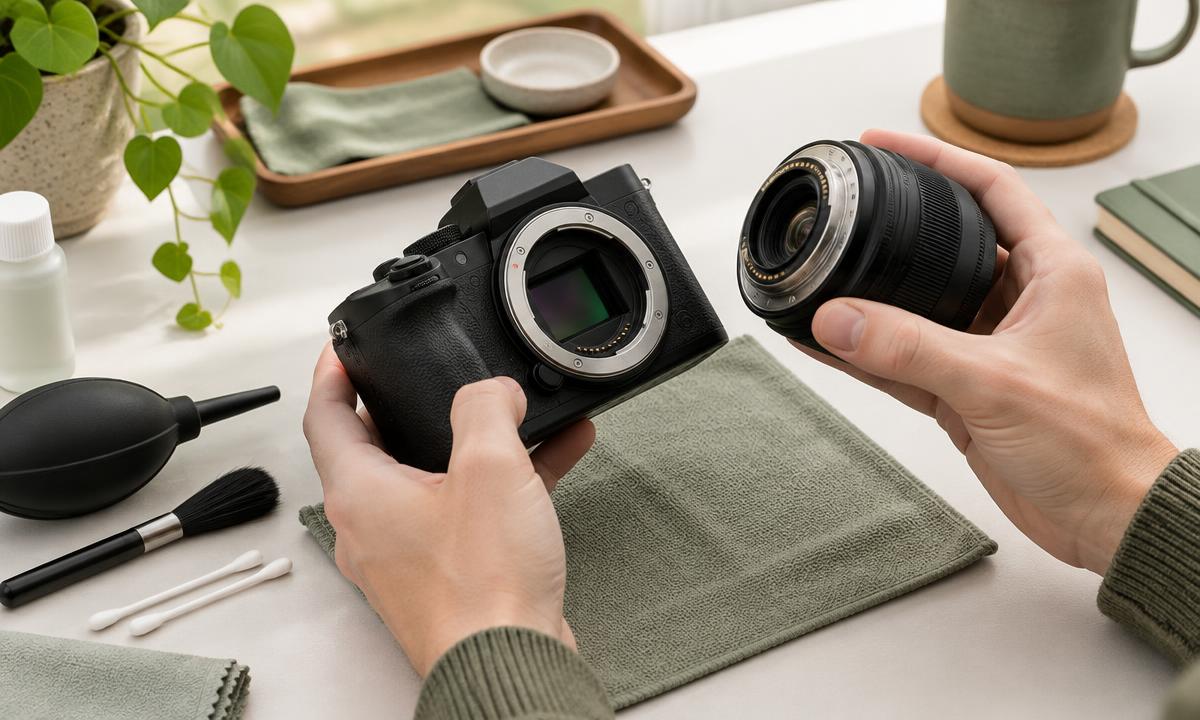
Buying a used camera: check the shutter, sensor and lens before paying
A practical used-camera checklist covering shutter count, sensor dust, fungus, autofocus, batteries and included accessories.
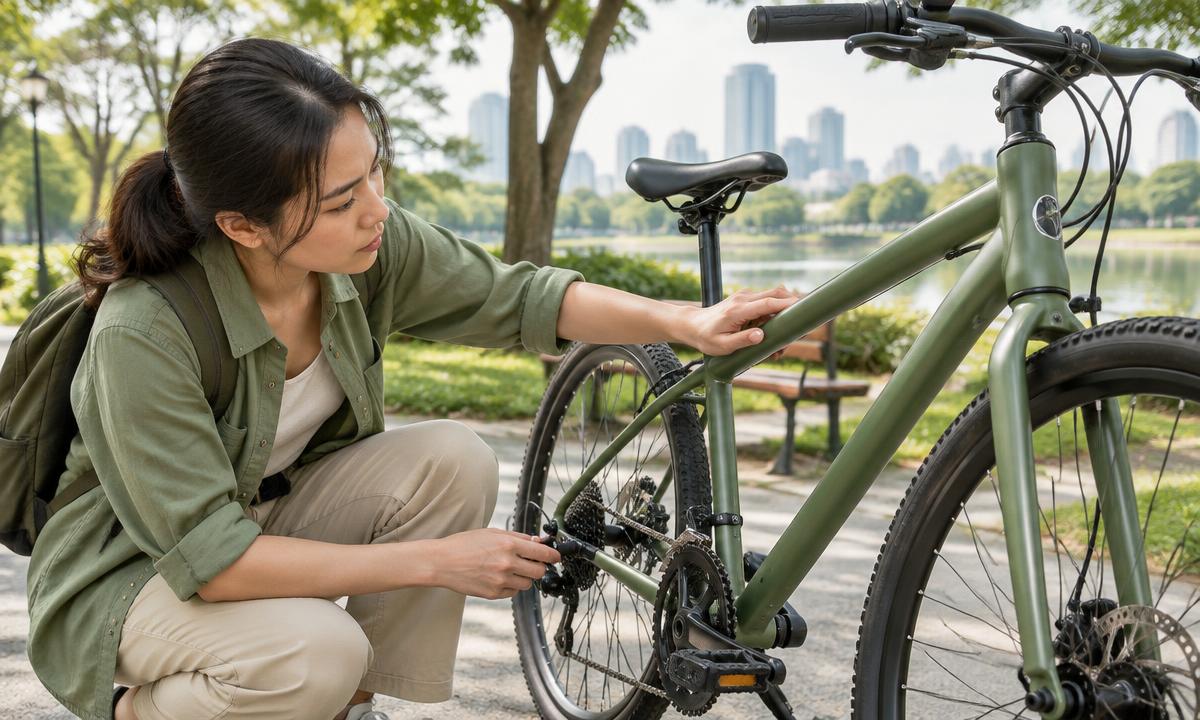
Buying a used bicycle: frame, brakes, gears and correct sizing
How to choose a correctly sized used bicycle and inspect the frame, wheels, brakes, drivetrain and test ride safely.
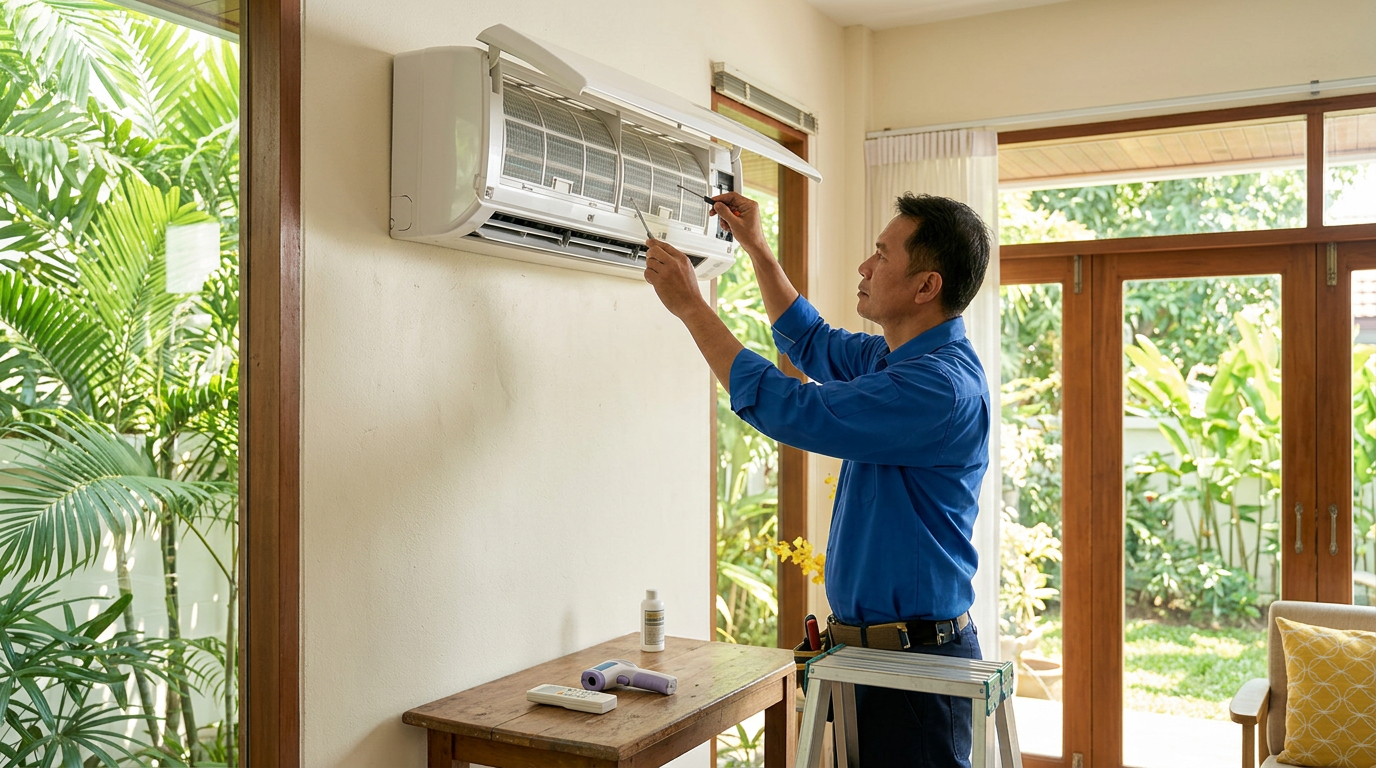
Buying a used air conditioner in Thailand: count removal, cleaning and installation
Check age, BTU capacity, refrigerant, compressor noise and the full removal and installation cost before buying a used air conditioner.
Buying a used game console: accounts, controllers, ports and heat
A used PlayStation, Xbox and Nintendo checklist, including account locks, controller drift, ports, cooling and banned consoles.
Buying used musical instruments: testing guitars, keyboards and amplifiers
How to inspect necks, frets, pickups, keys, speakers and electronics before buying a used musical instrument.
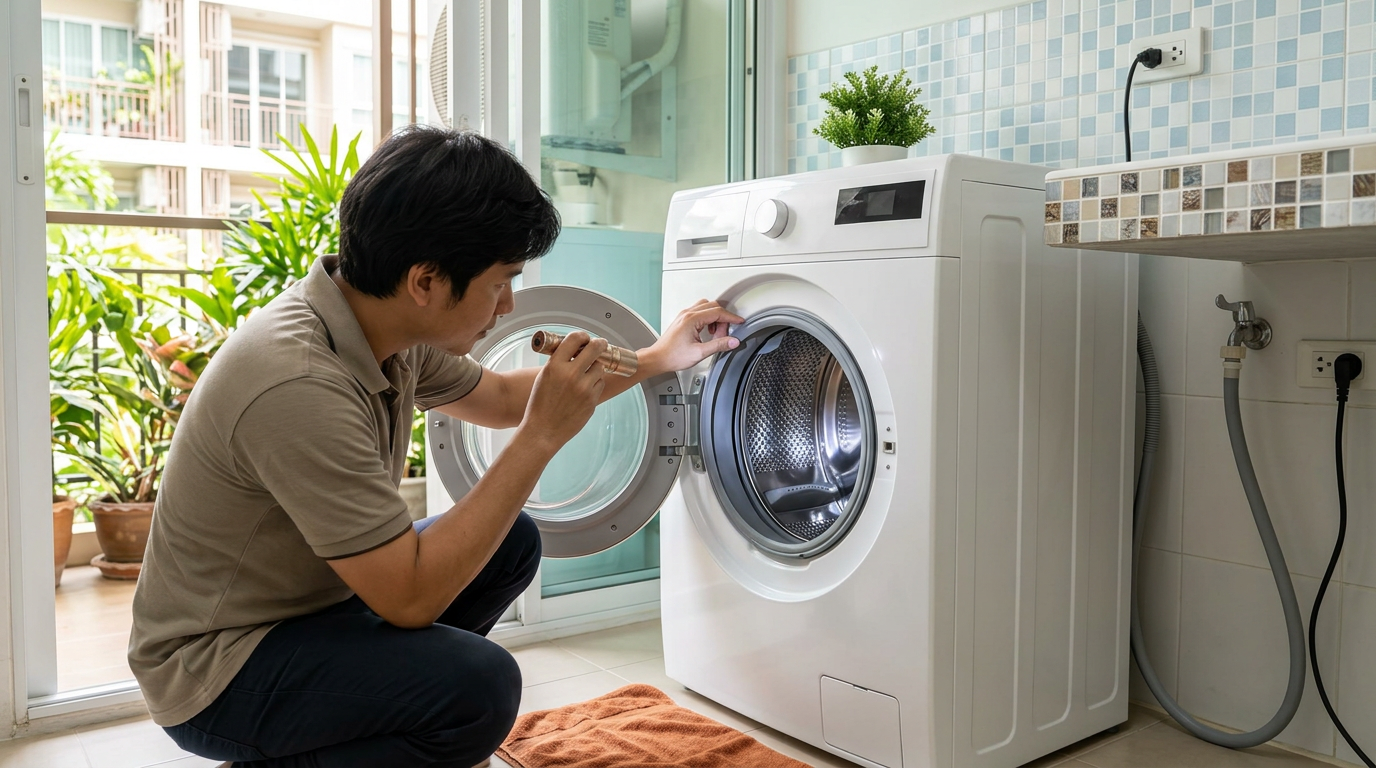
Buying a used washing machine: test filling, draining, spinning and leaks
How to inspect a used washing machine's drum, pump, bearings, door seal and installation needs before transport.
Moving sale checklist: a 14-day plan for selling household items
How to sort, price and schedule collection of furniture and appliances before moving home in Thailand.
A secondhand listing description template that answers buyers' questions
A copyable structure for titles, condition, defects, price, pickup and testing that reduces repeated buyer questions.
Buying used household goods: choose items that can be cleaned and checked
Inspect materials, odour, mould, pests, spare parts and know when a household item is safer bought new.
Local life in Thailand (12)
Buying secondhand in Bangkok and its suburbs: neighbourhoods, handover spots, and market prices
A practical guide to secondhand shopping in Bangkok and the surrounding provinces — which districts have the best stock, convenient handover points, moving bulky items, and realistic market prices.
Bangkok's secondhand and flea markets: Chatuchak, the train markets, Khlong Thom, and secondhand IT
A guide to Bangkok's flea markets — Chatuchak, the Rot Fai train markets, Khlong Thom, and the secondhand IT scene at Fortune Town/Pantip Plaza: what each is good for, opening hours, haggling, and how they compare to selling online.
Moving apartments in Bangkok: timing, move-in/out rules, and what to sell before you go
A practical guide to moving in Bangkok — the best time of year, condo move-in/move-out rules and deposits, hiring movers versus a pickup truck, what to sell before moving, and transferring utilities and internet.
Thailand's seasonal calendar for secondhand demand: Songkran, rainy season, school terms, and year-end
What sells when in Thailand's secondhand market — Songkran, rainy season, school terms, and year-end — plus how to protect goods from humidity and floods and what to expect from holiday delivery delays.
Living and trading secondhand in Chiang Mai: Nimman, Old City, Hang Dong, San Sai
A guide to daily life and secondhand trading in Chiang Mai — how neighbourhoods differ, motorbike culture, burning season, and what secondhand goods actually circulate here.
Pattaya and Chonburi secondhand market: fast turnover, condo handovers, good deals
A guide to secondhand trading in Pattaya and Chonburi — why high resident turnover creates strong deals, condo handover season, seasonal demand, and safety notes for handovers.
Phuket secondhand guide: island logistics, shipping costs, and tourist seasons
A secondhand trading guide for Phuket residents and expats — cross-island shipping costs, high versus low season, scooters and water sports gear, moving-out sales, and verifying sellers across the island.
Secondhand trading in Isaan: Khon Kaen, Udon Thani, Nakhon Ratchasima
A guide to secondhand trading across Isaan — pickup truck and farm culture, agricultural tools and appliances, longer distances and delivery arrangements, and how prices differ from Bangkok.
How to pay safely for secondhand deals in Thailand: cash, PromptPay and bank transfer
A comparison of payment methods for secondhand trades in Thailand — cash, PromptPay QR and bank transfer, how to verify an incoming transfer, slip fraud, deposits, and why cash-on-delivery is risky for both sides.
Shipping secondhand goods in Thailand: Kerry, Flash, J&T, Thailand Post and bus cargo
A guide to shipping secondhand items in Thailand — comparing Kerry, Flash, J&T, Thailand Post, bus cargo and Grab/Lalamove for bulky items, how to pack fragile goods, insurance and claims, and realistic cost and delivery time by size.
Renting a condo or room in Thailand: deposits, contracts, utilities and juristic office rules
A practical guide to renting in Thailand — deposits and lease contracts, utility rates, juristic office rules that affect deliveries and moving, furnishing a rental cheaply with secondhand goods, and what to do at move-out.
Second-Hand Trading in Hua Hin: Meet-Up Areas, What Sells and Seasonal Timing
A guide to the Hua Hin and Cha-am second-hand market: practical meet-up spots, which items sell well in a resort town, seasonal timing, and shipping to Bangkok.
Trading safely with a stranger: five steps
Whatever you are buying or selling, these five steps prevent most scams and disputes. Each item guide adds item-specific checks on top of this foundation.
Step 1 — Choose the place and time
Meet in daylight in a busy public place with CCTV: near a mall's ground-floor information desk, around station ticket gates, or in a supermarket food court. Avoid a stranger's home, quiet side streets and late-night car parks. Confirm the time and place in chat the day before, and tell a friend or family member where you are going.
Step 2 — Inspect the item yourself
Switch the item on and use it before any money moves. For phones, check that iCloud or Google is signed out and that the serial number in Settings matches the box. Run appliances to check for noise and smells. For cars and motorbikes, compare the chassis and engine numbers with the registration book. A seller who rushes you is a warning sign in itself.
Step 3 — Confirm the payment
Cash and PromptPay transfers are the most common payments in Thailand. As a seller, confirm the money in your own banking app — not on a screen the buyer shows you. As a buyer, pay only after inspecting the item and check that the recipient name matches the person you're chatting with. Count large cash amounts together on the spot.
Step 4 — Spot fake transfer slips
The most common recent scam is showing an edited bank slip and walking off with the item. Genuine Thai bank slips carry a reference number and a verification QR code, but images are easy to fake. Never rely on the slip alone — always check the deposit or balance in your own bank app. If you hear “the bank is slow” or “it will arrive soon”, keep the item until it does.
Step 5 — Keep a record
Keep the chat, a photo of the serial number and the transfer record for at least a month. Most later disputes — early faults, stolen goods — can be settled with these records. After the deal, mark the listing as sold on Near Dee and leave a review; it helps other users trade with confidence.
Key checks by item type
| Item | Check on the spot | Walk away if |
|---|---|---|
| Phones and tablets | Account signed out, matching IMEI, battery health, touch, camera and charging port | The seller won't remove the account lock, or it's far below market price with no box or receipt |
| Laptops and cameras | Real use after charging, swollen battery, lens fungus, shutter count, keyboard and ports | The seller insists on a place where you can't power it on, or it has been opened with no explanation |
| Air-con, washers, fridges | Running noise, cooling and draining, rust and leaks, removal, transport and reinstall costs | Testing is refused, or removal and transport fees are added after agreeing a price |
| Motorbikes and cars | Name in the blue book, chassis and engine numbers, tax and insurance dates, start-up and short test ride | Transfer documents can't be provided, or the registered owner isn't the seller |
| Furniture and household goods | Wobble, mould or insect signs, real dimensions, your lift and door size | It differs from the photos, or only prepayment without viewing is accepted |
| Luxury and branded goods | Receipt or warranty card, finishing and engraving, availability of an authentication service | Authentication is refused, or a very low price comes with pressure to decide fast |
Frequently asked questions
Can foreigners buy and sell secondhand items in Thailand?
Yes. Foreigners can buy and sell personal belongings. Without a Thai bank account, cash in person is simplest. Items that need an ownership transfer, such as motorbikes and cars, may require a passport and proof of address, so check the Department of Land Transport procedure first.
What should I do if the seller asks for a deposit first?
For a local, in-person deal, the rule is not to send a deposit. If it is truly necessary for a high-demand item, send only a small part and check the seller's reviews, profile and a real video of the item first. Sellers disappearing after taking a deposit is one of the most common scams.
How do I move large furniture or appliances?
In Bangkok and major cities, people use pickup-truck movers or the freight option in delivery apps. Agree during negotiation who pays for transport, who handles removal and reinstallation, and whether the condo lift needs booking, so there's no argument on the day.
Where do I report a scam or serious problem?
Save the chat, transfer record and the other person's profile, then report it through Near Dee. For transfer fraud, contact your bank immediately to request a hold, and report to Thailand's online fraud hotline (1441) or a local police station. Foreigners can get help in English from the Tourist Police (1155).
Trading by area and category
The guides explain how to trade safely; these pages show where to meet in each city and what to check for each type of item.
Areas
- Buying and selling secondhand in Bangkok: meetup spots, delivery costs and what sells fastA practical overview of Bangkok's secondhand market — BTS/MRT meetup points, moving items into condos, in-city delivery costs, the categories that sell fastest and the best times to post.
- Chiang Mai's secondhand market: meetup areas, popular items, student and nomad cyclesHow secondhand trading works in Chiang Mai — the Old City, Nimman, San Sai and Mae Rim, items that turn over with the university calendar, and how smoke season affects handovers.
- Secondhand in Phuket: meetup areas, tourism-driven items, high and low seasonAn overview of Phuket's secondhand market — Phuket Town, Patong, Kata, Chalong and Thalang, what sells in a resort economy, safe handovers, and how the tourist season moves prices.
- Secondhand in Nonthaburi: the suburb where bulky items sell most easilyA guide to Nonthaburi's secondhand market — Rattanathibet, Tha It, Bang Yai and Pak Kret, moving goods inside gated estates, and why furniture sells better here than downtown.
- Secondhand in Khon Kaen: the hub of IsaanKhon Kaen's secondhand market — the university area, Mittraphap Road, Bang Lamphu market, the student moving cycle, and shipping to nearby provinces.
Categories
- Buying and selling used phones in Thailand: how to check one, and how to price itHow to check a used phone before paying — IMEI, battery health, repair history, iCloud/Google account locks — and how to price by condition.
- Used appliances in Thailand: how to check one before you payHow to inspect secondhand air conditioners, fridges and washing machines, plus installation and cleaning costs and how much service life is really left.
- Used furniture in Thailand: measurements, moving and termitesBuying and selling secondhand furniture in Thailand — measuring before you buy, checking for termites and damp, condo moving costs, and realistic pricing.
- Used motorcycles in Thailand: paperwork, transfer and inspectionBuying and selling used motorcycles in Thailand — the registration book, transfer at the Land Transport Office, tax and compulsory insurance, outstanding finance, and inspection points.
Safe meetup tips (updated regularly)
In the rainy season, agree an indoor backup spot
Sudden downpours are common until October. If you plan to meet at a station exit, also write a nearby mall or convenience store in the chat to move to if it rains, so nobody ends up sheltering in a dark side street.
Confirm payments in your bank app, not by notification
Fake SMS alerts are spreading alongside fake transfer slips. Sellers should open their own bank app and check that the deposit and balance changed before handing over the item.
Trade valuable items in daylight, with a companion
For deals over 10,000 baht, go in daylight with a friend or family member if possible. If you must go alone, send the place and the other user's profile link to someone you trust first.
Be wary when asked to move to another messenger
Leaving the app makes reporting and keeping records harder. Keep the conversation in Near Dee chat until price, place and time are settled.
How to use these guides
If this is your first deal, read the five steps on this page first, then open the guide for the item you want. Each item guide covers its own inspection order, costs, questions to ask the seller and clear reasons to stop a deal.
The Near Dee team keeps updating these guides based on user questions and real reports. Prices and rules change, so for official procedures such as ownership transfer or tax, also check the latest information from the relevant authority.