Phuket secondhand guide: island logistics, shipping costs, and tourist seasons
The same appliance may cost more than in Bangkok because it crossed Sarasin Bridge, then drop sharply when its owner has a flight booked. Phuket's market pulls in both directions at once: transport adds value, while departure deadlines erase it. Distance, salt-air wear and season matter before the sticker price does.
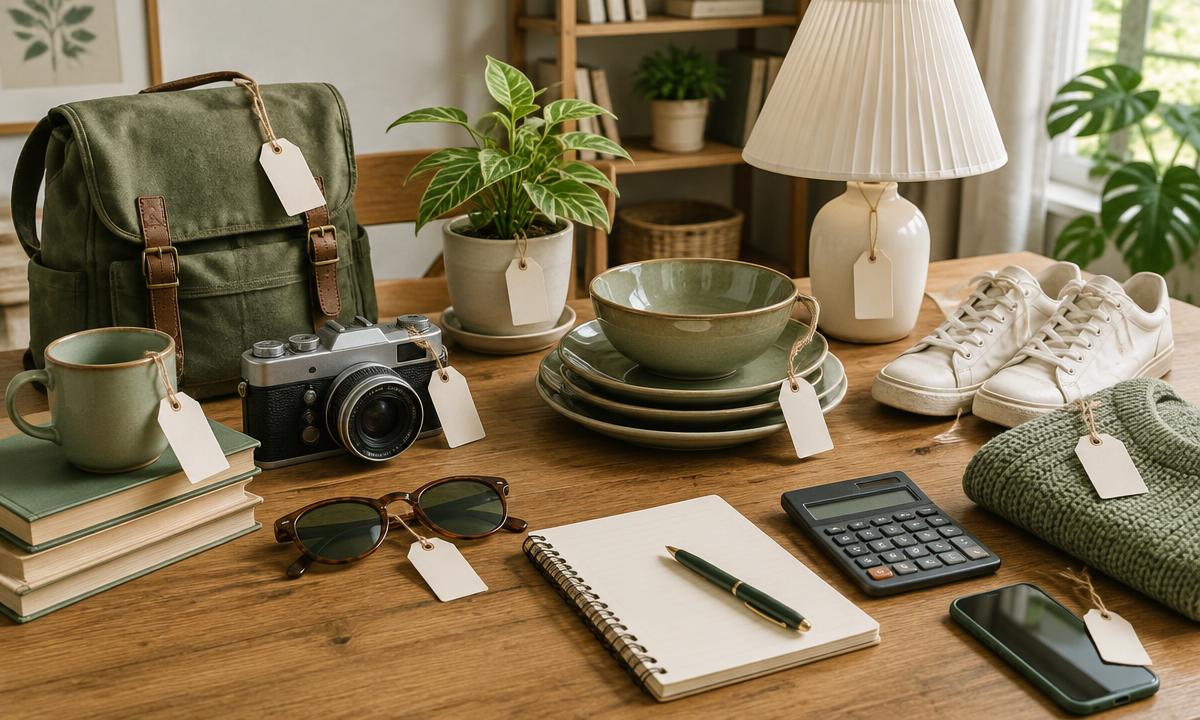
Why secondhand goods run slightly pricier than the mainland
New goods sold in Phuket already carry the cost of crossing the Sarasin Bridge or arriving by boat, pushing new prices above Bangkok's. Once resold secondhand, prices typically stay 10-20% above the same item on the mainland, especially for large appliances and furniture where shipping cost is baked into the price.
High season vs low season: two very different trading rhythms
November to April is high season, when villas and rental condos across the island fill up. Demand for furniture and appliances to furnish rentals rises, so resale prices are stronger. In low season (May-October), rain and monsoon storms cut tourist numbers, and villa owners or people planning to leave the island often drop secondhand prices faster than usual to clear stock before the heavy rains.
Scooters and water sports gear: the island's staple goods
Scooters are Phuket's main mode of transport, so the secondhand market for them is busy year-round. Always check that the registration book matches the seller, and inspect closely for salt-air corrosion, which eats through the frame and chain faster than on the mainland. Water sports gear — surfboards, wetsuits, life jackets — circulates heavily around Rawai and Kata; check for leaks and worn zips, since sea use ages this gear quickly.
Moving-out season and clearance sales
Long-term expats in Phuket tend to move out around visa expiry or the end of an annual lease, which triggers whole-household clearance sales — furniture, kitchenware, décor, all at once. Buyers who watch listings in their own neighbourhood toward the end of high season tend to find the best prices, since sellers have a hard deadline before their flight.
Verifying sellers before crossing the island
Phuket is larger than it looks on a map: getting from Patong to Chalong or Thalang can take nearly an hour. Before travelling far for a large item, ask for a video call to confirm its real condition, and read the seller's history in the app carefully. Travelling across the island only to find the item doesn't match what was agreed is a common frustration for tourists and newcomers who don't yet know the roads.
For large items that need cross-island transport, agree on delivery cost and who pays what in the chat first — Phuket's delivery services usually price by distance and item size rather than a flat mainland-style rate.
How trading differs across Phuket
- Phuket Town: a mix of Thai residents and long-stayers keeps household goods and appliances moving. Central Phuket Floresta/Festival is a good meeting point.
- Rawai, Chalong and Kata: many long-term foreigners sell surfboards, diving gear, scooters and garden furniture.
- Patong: quick turnover from tourists and short-stayers, but fake urgent sales are common, so take extra care.
- Thalang and the north (near the airport): housing estates with large furniture and baby goods.
Island transport and humidity
Phuket's hills and narrow roads make moving large furniture and appliances dearer than in Bangkok. Pickup-truck fees vary with distance and floors, so get a quote first and include it in the total cost. Some hillside villas cannot be reached by truck; ask the seller for a photo of the access road.
Near the sea, humidity causes rust and mould. Check fridge coils, washing-machine bases, under laptop keyboards and ports, and look for warping or mould on wooden furniture.
Planning for rainy season and high season
From May to October, larger waves on the west coast raise demand for surf gear; from November to April, diving and snorkelling gear and scooters are in demand. April–May, when many residents leave, brings whole-household sales that favour buyers. Rental scooters are sometimes sold as private, so check the registration owner.
Buying and selling on the island
- Can I buy from the mainland (Phang Nga, Krabi)? Yes, items can cross the Sarasin Bridge, but compare including transport.
- Is used diving gear safe? Without service records, have regulators and BCDs professionally serviced before use.
- Can I meet on a beach? Malls or convenience stores are safer than beaches with dark, quiet car parks.
Continue with related areas and categories
Read in another language
Related guides
- Buying secondhand in Bangkok and its suburbs: neighbourhoods, handover spots, and market prices
- Bangkok's secondhand and flea markets: Chatuchak, the train markets, Khlong Thom, and secondhand IT
- Moving apartments in Bangkok: timing, move-in/out rules, and what to sell before you go
- Thailand's seasonal calendar for secondhand demand: Songkran, rainy season, school terms, and year-end
- Living and trading secondhand in Chiang Mai: Nimman, Old City, Hang Dong, San Sai