Living and trading secondhand in Chiang Mai: Nimman, Old City, Hang Dong, San Sai
Nimman at the start of term and Hang Dong before the rains look like two different markets: one fills with desks, monitors and purifiers, the other with fridges, sofas and garden furniture. Chiang Mai makes more sense neighbourhood by neighbourhood than through one city-wide price guide.
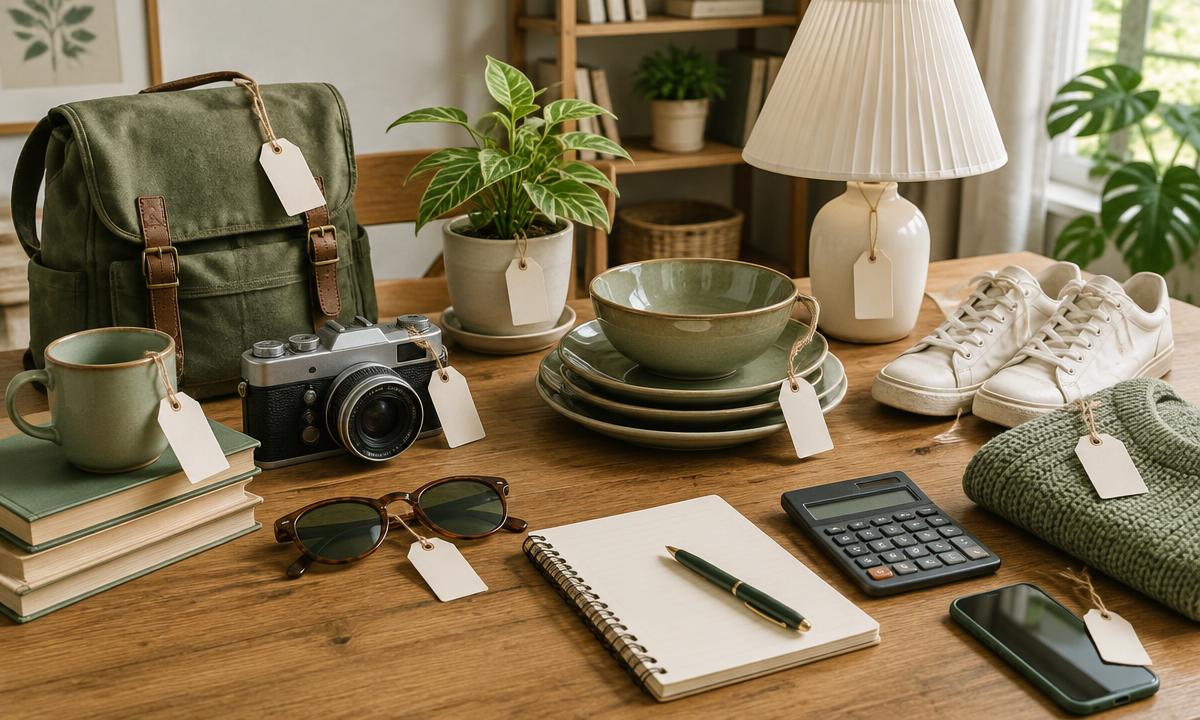
Nimmanhaemin: fast-turnover furniture and design pieces
Nimman is dense with short-term condo rentals and cafés. People who move in for a few months buy small furniture, air purifiers and essential appliances secondhand, then resell before leaving — so good-condition items at fair prices circulate unusually fast, especially at the start and end of university terms.
Rents here run higher than in the Old City, so sellers tend to price secondhand goods close to Bangkok levels. Buyers coming from outside town can often negotiate more if they time pickup for mid-month, when several people move out at once.
Old City and Chang Klan: antiques and craftwork
Inside the moat you find both rented old houses and traditional antique shops. What trades most often is teak furniture, ceramics and collectibles tied to old Chiang Mai. Prices swing more on rarity than on condition, so ask about provenance and check for cracks before deciding.
Hang Dong and San Sai: detached houses, bulky furniture
These outer districts have more detached houses and housing estates, so the secondhand goods traded are bulkier: family-size fridges, full sofa sets, top-load washing machines and garden furniture. Sellers here often own a pickup truck and are willing to help with short-distance delivery, which makes negotiating transport cost easier than in the city centre.
Motorbike culture and the secondhand goods around it
Chiang Mai runs heavily on motorbikes, so the secondhand market includes bikes, spare parts, helmets and top boxes year-round. Foreign students on short Thai-language courses often buy an old bike for ฿8,000-18,000 and resell it before flying home. Always check that the registration book name matches the seller, and check tyres and brakes closely, since the mountain roads around the city wear them faster than average.
Burning season and buying behaviour
February through April is burning season, when PM2.5 spikes sharply. Demand for secondhand air purifiers and dust masks rises noticeably. People who happen to move out of Chiang Mai during this window often sell their air purifiers cheap, making it the best time to buy for anyone settling in long-term — just check that the HEPA filter still has useful life left.
Arranging safe pickups in a spread-out city
Chiang Mai has no light rail, so crossing between neighbourhoods takes longer than in Bangkok. Pick a meeting point that is genuinely convenient for both sides — a petrol station on a main road or a city mall — rather than just the midpoint on a map, and allow extra time during evening traffic around Nimman Road and the Super Highway.
Where to trade in different parts of Chiang Mai
- Nimmanhaemin and around Maya Mall: digital nomads and students trade laptops, monitors, cameras and helmets. Maya or One Nimman entrances work well for meetups.
- Old City: long-stay foreigners sell bicycles, small furniture and kitchenware. Meet somewhere busy, such as around Tha Phae Gate.
- Hang Dong and San Kamphaeng: residential areas with large furniture and appliances, usually needing a vehicle.
- Around Chiang Mai University: desks, fridges and bicycles flood in around term start (June) and end (March–April).
Trading during smoke (haze) season
From February to April, demand for air purifiers and masks rises sharply and used purifier prices climb. Sell in late January or early February; buy after May in the rainy season. Always check filter replacement dates and genuine filter prices; for some models a filter costs more than half the used unit.
On heavy-haze days meet inside a mall instead of outdoors. For electronics kept in dusty homes, check fans and vents carefully.
Making use of long-stayer moving seasons
Many long-stay residents leave when visas or leases expire, so 'whole-household' sales appear often in March–April and October–November. Buying a bed, motorbike, water filter and kitchen set together is often 30–50% cheaper than separately. For motorbikes, check the registration book (เล่มทะเบียน) owner and tax status, and remember transfers from a foreign owner can be more complicated.
Chiang Mai trading notes
- Are used prices lower than in Bangkok? Furniture and household goods usually are, but laptops and cameras are in demand and can cost the same or more.
- Should I buy by courier from Bangkok? For expensive items, inspect by video call and use a safe payment-confirmation process instead of relying on cash on delivery.
- Can a songthaew carry large items? You can charter a red songthaew; agree the fare before loading.
Continue with related areas and categories
Read in another language
Related guides
- Buying secondhand in Bangkok and its suburbs: neighbourhoods, handover spots, and market prices
- Bangkok's secondhand and flea markets: Chatuchak, the train markets, Khlong Thom, and secondhand IT
- Moving apartments in Bangkok: timing, move-in/out rules, and what to sell before you go
- Thailand's seasonal calendar for secondhand demand: Songkran, rainy season, school terms, and year-end
- Pattaya and Chonburi secondhand market: fast turnover, condo handovers, good deals