Buying a used washing machine: test filling, draining, spinning and leaks
Powering on is not enough. A washer must complete filling, washing, draining and spinning because many faults appear only with water and at high drum speed.
Calculate the real total cost, not only the listing price
The advertised price is only the starting point. Add transport, removal or installation, cleaning, missing accessories and foreseeable repairs. Compare that total with similar used listings and with a new item that includes a return route or warranty; the cheaper sticker price is not always the cheaper purchase.
What to inspect
Do not judge an item only by whether it powers on or looks clean. Work through the checks in order and record each result. Anything that cannot be tested is an uncertainty, not proof that it works, and should affect the decision rather than being filled in with assumptions.
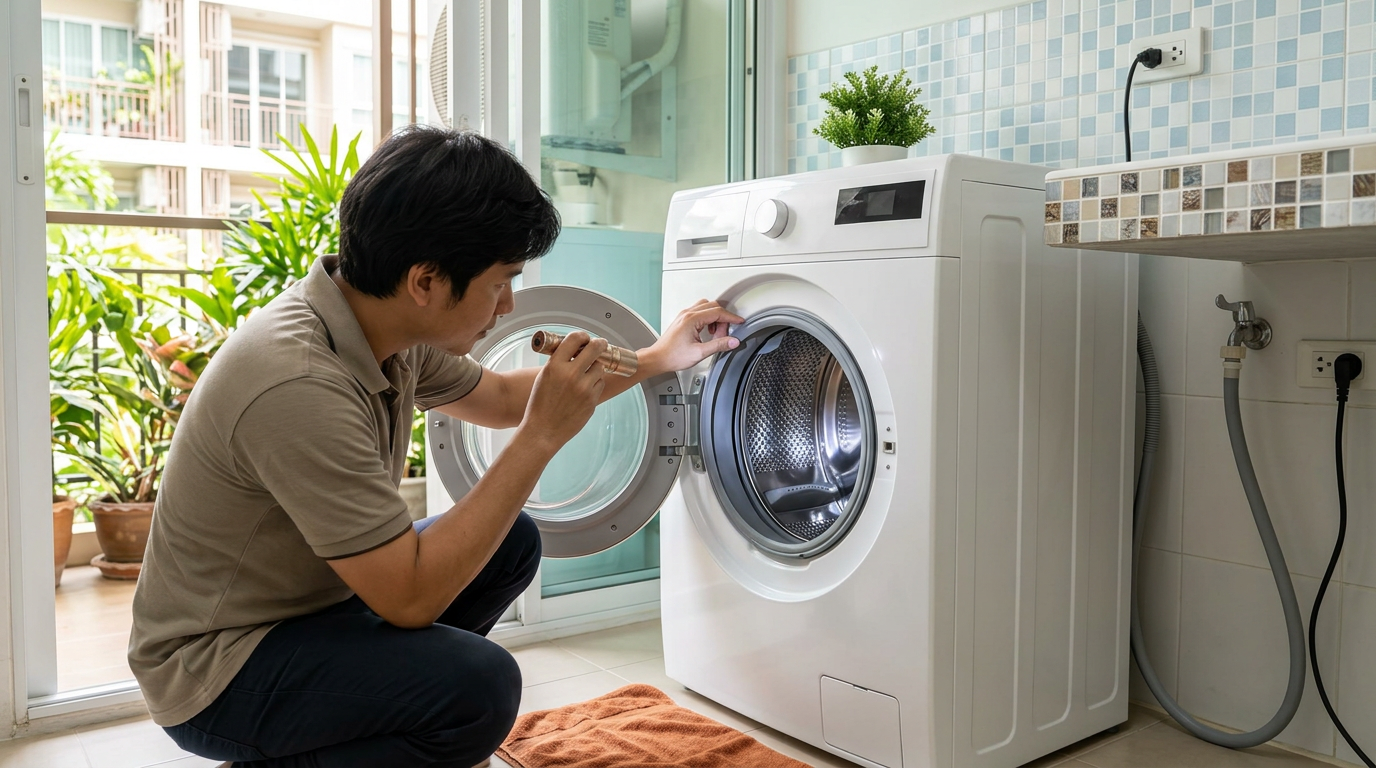
- Run a complete short programme and watch it fill, drain and spin.
- Listen to bearings at high speed, watch for drum movement and inspect underneath for water.
- Check the door seal, latch, inlet hose, drain hose and rust around the base.
Reasons to walk away
One warning sign may have an explanation, but several together materially increase risk. If the story changes, an essential test is refused, or payment is being rushed, the safest decision is to stop and compare another item.
- Only a dry power-on test is allowed.
- Grinding, the drum hitting the cabinet, burning smells or old water marks.
What the seller should disclose
Ask for these facts in chat before travelling so there is a written record of the stated condition, included parts and history. Clear answers help both sides estimate the time, transport and likely follow-up costs before arranging a meeting.
- Disclose age, pump, board or motor repairs and the reason for selling.
- Record one continuous test cycle before disconnecting and moving it.
Meeting and testing
Keep the meeting in a fixed order: inspect, test, agree the final terms, and only then pay. Do not send a deposit merely because somebody creates urgency. At handover, photograph the condition and all parts received so both people have the same record.
- Measure doors, stairs and the installation space at both ends before booking transport.
- Level the machine and handle transport bolts according to its manual.
A practical plan before arranging collection
Start by requesting the exact model, age and reason for sale. Send the seller the intended test list before arranging travel. That confirms whether the meeting place has the power, water, internet or space the item needs and avoids arriving with no practical way to verify it.
Record the condition and make a defensible decision
Photograph defects, the model label, accessories and test results. Keep the chat that records the final price and handover conditions. If the evidence is incomplete, leave and compare it calmly rather than accepting a decision deadline created at the meeting.
Frequently asked questions before trading
- How should I negotiate? Use observed defects and specific transport, parts or repair costs instead of making an unsupported low offer.
- What if a function cannot be tested? Treat it as a real uncertainty, arrange a later test or choose an item that can be verified.
- When should I pay a deposit? Only when the exact item, seller and written refund conditions are verifiable; an ordinary local meeting rarely needs one.
Continue with related areas and categories
Read in another language
Related guides
- Safe secondhand trading in Thailand: scams, meeting places, checks, payment and what to do if it goes wrong
- How to sell secondhand items fast on Near Dee
- How to price secondhand items sensibly in Thailand
- How to photograph your listings with just a phone
- Chat and negotiation etiquette in Thai secondhand trading